
Your automatic gate is one of the hardest-working things on your property – and one of the easiest to ignore until it stops working altogether.
Most failures don’t happen without warning. Gates grind, hesitate, and behave strangely for weeks before they give up. The problem is that it’s easy to dismiss those early signs as quirks, especially when the gate is still technically functioning.
The five main warning signs your electric gate needs repair are: unusual noises (grinding, humming, squealing), inconsistent or erratic movement, slow or unreliable response to controls, visible physical wear or misalignment, and safety system failures. Of these, safety system failures – sensors not triggering, auto-reverse not working – need immediate attention regardless of anything else.
After 20 years fixing automatic gates across Melbourne, we’ve seen the same pattern repeatedly: a small problem gets ignored, takes out a second component, and what could have been a $300 repair turns into a $2,000 replacement. This guide covers each warning sign in detail, what’s causing it, and when you need to act.
If your gate is already showing multiple warning signs, it may be beyond a simple service. Gate Gurus’ repair team can diagnose faults across all makes and models in Melbourne’s south-east.
1. Unusual Noises
Your gate should run with nothing more than a low hum from the motor. New sounds are your gate telling you something has changed – and it’s rarely good news.
Grinding or scraping is usually worn gears or components making contact where they shouldn’t. On sliding gates, it often means misaligned tracks or damaged rollers. The metal-on-metal contact wears parts down fast. Act within 1–2 weeks. Continued operation accelerates wear and can take out the motor.
Clicking or clunking at specific points in the gate’s travel – typically when starting or stopping – usually means loose hardware or a worn chain. Tightening fasteners might resolve it, but if the drive components are worn, they’ll need replacing.
Squealing or screeching is almost always a lubrication issue. Hinges, rollers, and pivot points dry out, particularly through Melbourne’s temperature swings. A clean and lubrication service fixes this in most cases. If the noise persists after lubrication, the bearings are worn.
Humming without movement is the most serious noise on this list. The motor is running but can’t move the gate – it’s straining against a seized component, excessive load, or an obstruction. This draws excess current and will burn out your motor if you keep running it. Switch off the gate and call a technician immediately. Do not operate it again until it’s been inspected.
2. Inconsistent or Erratic Movement
A healthy gate moves smoothly and predictably every time. When that changes, something is wrong with the motor, mechanics, or control system
Gate stops mid-cycle – first, check for obvious obstructions. Branches and debris are a surprisingly common cause. If the path is clear, the safety sensors may be misaligned or the motor could be struggling.
Jerky or stuttering motion puts extra stress on every mechanical component and speeds up wear across the whole system. This usually points to worn drive components or a deteriorating control board.
Opens but won’t close (or vice versa) typically means limit switch problems or faulty safety sensors. Limit switches tell the gate where to stop – if they’re out of adjustment or failing, the gate may complete one direction but not the other. Dirty or misaligned sensors can also prevent closing even when the path is completely clear.
Speed variations – a gate that’s fast one day and sluggish the next, or changes speed mid-cycle – indicates a deteriorating control system. Failing capacitors, worn motor brushes, or a control board losing its ability to regulate motor speed are common culprits.Opening a Sliding Automatic Gate Manually
3. Response and Control Problems
Slow or unreliable response is frustrating, but it’s also a useful diagnostic. Working through the simple fixes first can save you an unnecessary service call.
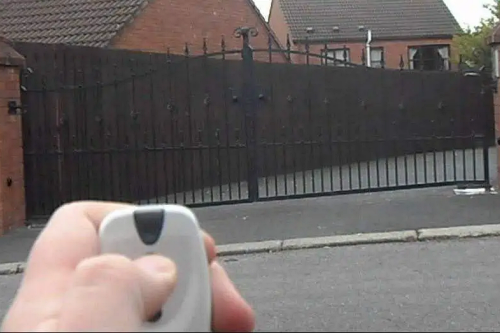
Slow response to the remote or keypad – try standing closer to the gate. If it responds faster from a shorter distance, you have a signal issue: interference from nearby electronics or structures, a failing receiver, or weather damage to the receiver housing.
Needing multiple button presses – intermittent connections usually get worse over time until the gate stops responding entirely. Loose wiring at the receiver, corroded terminals, or a receiver that’s beginning to fail are the typical causes.
Flickering or dim indicator lights on your control box or keypad signal a power supply problem. This could be a failing transformer, loose connections, or a deteriorating control board. Don’t ignore it – unstable power damages other components too.
Keypad or intercom malfunctions – these units live outside in all weather, so corrosion and water ingress are occupational hazards. Cleaning the contacts sometimes helps, but units that have been exposed to the elements for years usually need replacement.
4. Physical and Structural Warning Signs
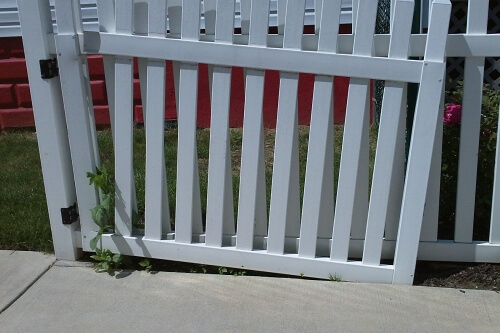
A quick visual check once a month catches a lot of problems before they become urgent. Walk around the gate and look for these.
Visible wear on components – frayed cables or chains are safety hazards and can snap without warning. Rust and corrosion weaken structural parts over time. Cracked or damaged rollers might still function, but they’re close to failing. Replace worn components before they take other parts down with them.
Gate misalignment – a swing gate that sags at the latch end is straining its hinges and motor. A sliding gate sitting off its track will damage the rollers and track surface. Uneven gaps when the gate closes mean something has shifted. Misalignment always worsens over time.
Track damage on sliding gates – debris in the track stops rollers from running smoothly. Bent or warped sections from a vehicle impact need straightening or replacement. Worn guide wheels develop flat spots that cause uneven, bumpy operation. Keep tracks clear and check wheel condition regularly.
5. Safety System Failures
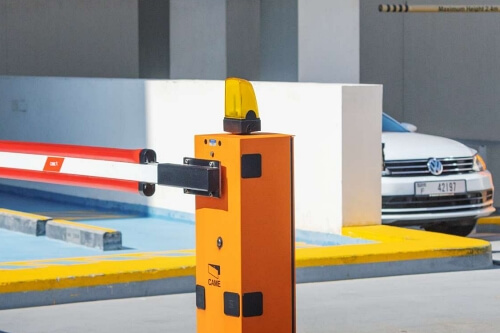
This is the one we take most seriously – and the one that can’t wait.
Safety sensors not triggering – if your gate doesn’t stop when something crosses its path, people and animals are at risk. Test your sensors monthly: wave something through the beam while the gate is closing. It should stop immediately. Clean the sensor lenses regularly – dirt and spider webs reduce sensitivity. If the gate doesn’t stop after cleaning, it needs repair before you use it again. This is a safety hazard. Do not operate the gate until it’s fixed.
Auto-reverse not functioning – modern gates should reverse immediately when they meet resistance. Test this with a plastic bin or similar in the gate’s path. If the gate keeps pushing instead of reversing, the safety system has failed. This protects vehicles, animals, and people from serious injury – it’s not optional. Same as above: stop using the gate and call a technician.
Gate Type-Specific Red Flags
Sliding Gates
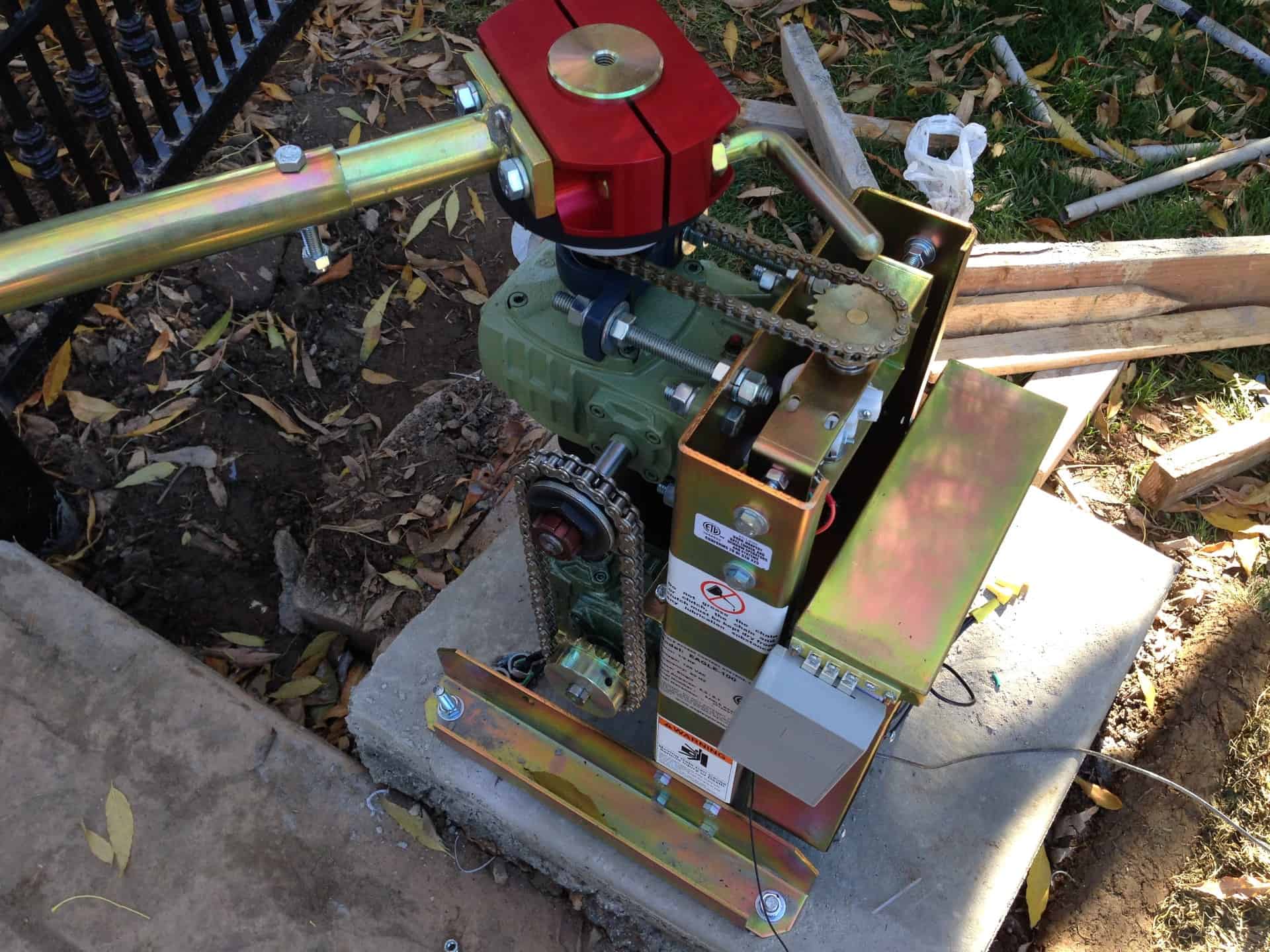
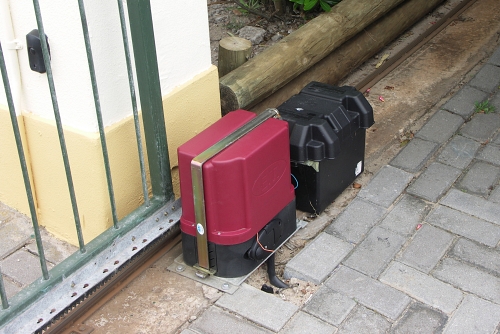
The track and roller system carries most of the wear. Check rollers for flat spots or cracks, and inspect the rack (the toothed strip the motor engages with) for missing or damaged teeth. Aluminium racks wear faster than steel. Heavy gates can sag in the middle, loading up the motor and rollers. If the gate is dragging or the motor sounds like it’s working harder than usual, check whether the gate is still level.
Swing Gates
Hinges are the weak point. When they wear or loosen, the gate drops at the latch end and becomes harder to secure. On arm-operated swing gates, look for loose bolts or cracked mounting brackets at the arm attachment points. Underground operators are reliable but harder to read – slowing or struggling movement often means the unit is low on hydraulic oil or has developed a seal problem.
Boom Gates
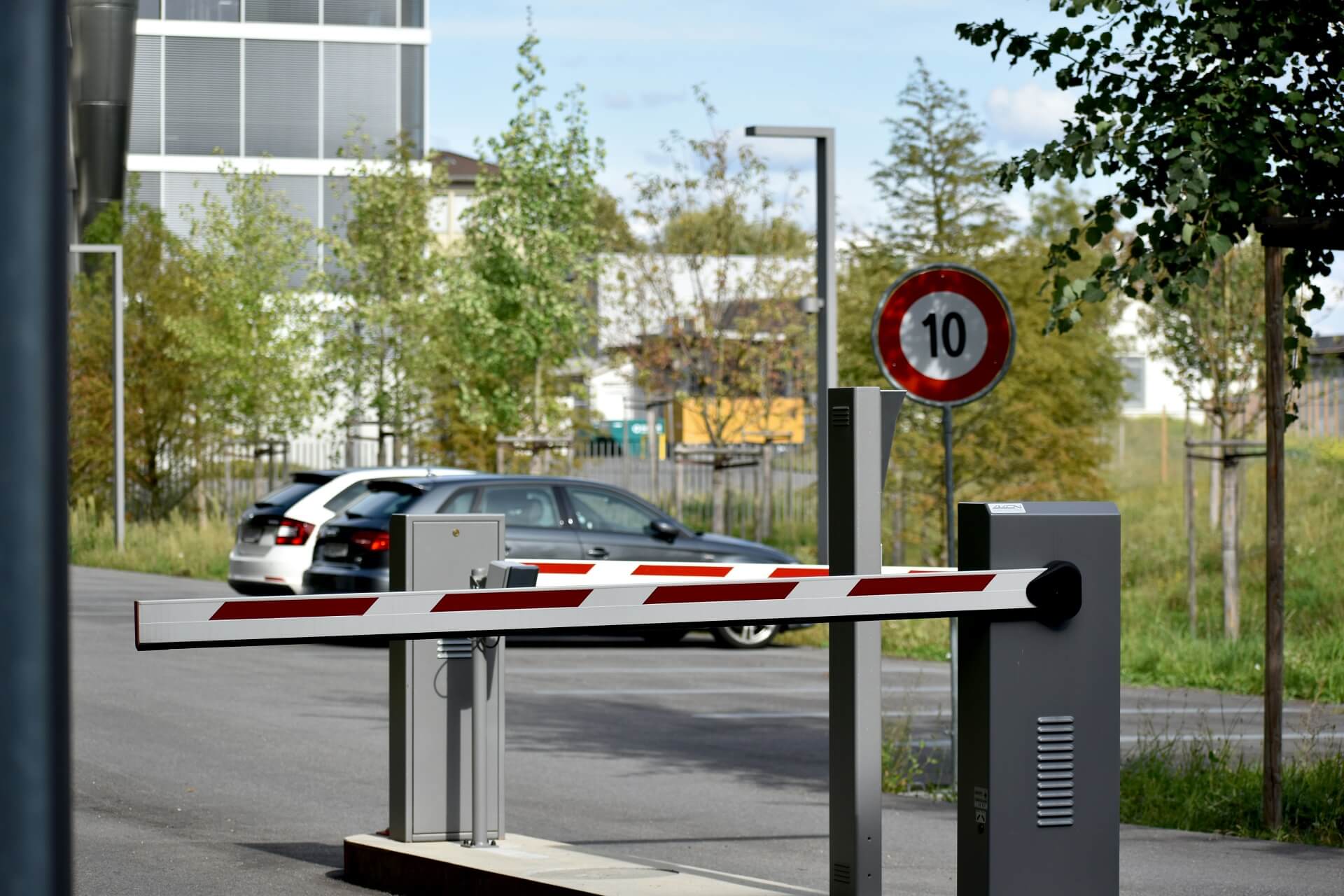
The arm should lift smoothly and hold steady at the top. Bouncing at the top of travel or dropping too fast on the way up means the counterbalance spring needs adjustment or replacement. Check barrier arms for cracks or bends from vehicle contact – even minor damage affects the balance and weakens the arm. For commercial sites, inconsistent triggering from traffic loops usually means the loops are damaged or need recalibration.
Telescopic Gates
Multiple sections need to move in sync. When one section lags behind the others, you’ve either got a motor coordination issue or a problem with that section’s rollers. The more complex track system means debris causes more disruption than on a standard sliding gate, and misalignment in any section affects the whole gate.
DIY Checks vs. When to Call a Professional
Some issues are straightforward homeowner territory. Others need a qualified technician.
Handle Yourself
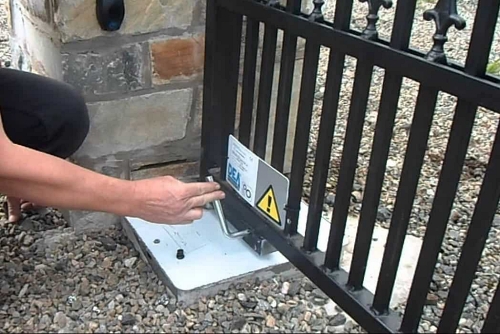
Replace remote batteries – it’s the most common cause of response problems and takes 30 seconds. Clear debris from tracks. Do a visual check for obvious loose bolts or damaged parts. Test your safety sensors monthly. Clean sensor lenses. These basic checks take about 15 minutes and resolve a lot of common issues.
One check that’s easy to overlook: your switchboard. A tripped circuit breaker is one of the most common causes of a completely unresponsive gate, and it takes 10 seconds to rule out. Check the breaker before assuming the motor or control board has failed.
Call a Professional
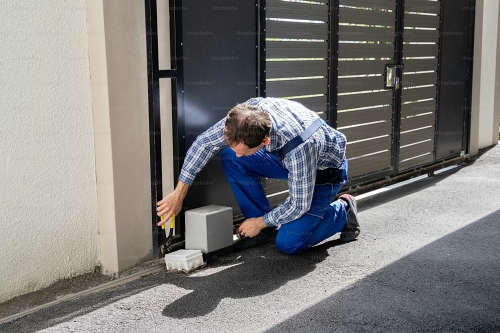
Anything involving the control box, wiring, or electrical components. Motor and gearbox problems. Misalignment that’s more than minor adjustment. Any safety system that isn’t working correctly. Control board issues, limit switch adjustment, and structural repairs all require proper diagnosis and the right tools. Attempting electrical or mechanical repairs without experience usually makes the problem worse.
In Melbourne, a qualified gate technician can diagnose most issues quickly and will have access to the right parts for major brands. At Gate Gurus, we carry parts for all the brands we commonly see and back our repairs with a 5-year labour guarantee.
The Cost of Waiting
Putting off repairs almost never saves money.
A worn bearing that costs $200–300 to replace will eventually seize and take out your motor. Now you’re looking at $1,200–2,500 for a motor replacement plus installation. A misaligned sensor that takes 30 minutes to adjust becomes a crushed bumper, or worse, a liability issue if someone gets hurt.
Emergency callouts cost significantly more than scheduled repairs – and you’re also dealing with the security risk of a non-functioning gate. Insurance companies take gate maintenance seriously too: if a poorly maintained gate injures someone, you may find your claim challenged.
Regular servicing costs $200–300 and covers cleaning, lubrication, adjustment, and safety checks. A gate that’s properly maintained lasts 10–15 years. One that isn’t might give you 5–7. If your gate is showing early warning signs, a repair now is almost always cheaper than the emergency repair callout later.
What to Do Next
Your gate signals problems before it fails – unusual sounds, slower movement, erratic behaviour. The warning signs are there if you know what to look for.
Start with a monthly check: listen for new sounds, watch how it moves, test the safety sensors. If something seems off, don’t wait to see if it resolves itself. It won’t.
For repairs or a general service across Melbourne’s south-eastern suburbs, Gate Gurus can help. We’ve been fixing automatic gates for 20 years and back all our work with a 5-year labour guarantee. Call (03) 9052 4903 or request a quote here.